
Abutment teeth preparations on crown restorations
A crown restoration may be required due to carious lesions, defects, fractures, or endodontic treatment. Full or partial crowns may also be indicated when abutment teeth do not have adequate contours or sufficient enamel thickness. In addition, fixed partial dentures (bridges) may be considered as a treatment option, especially to restore modification spaces in anterior and premolar regions with short edentulous spans.
Preparations for fixed restorations such as crowns or bridges should also account for the required tooth reduction to accommodate rest seats. When preparing a lingually tilted tooth, more reduction should be made on the lingual surface than on the buccal surface.
Similarly, if a rest seat is to be prepared on the crown, additional reduction is necessary on the side where the rest is located. Otherwise, the depth of the rest seat on the crown may be insufficient.
Wax-up of a full crown restoration
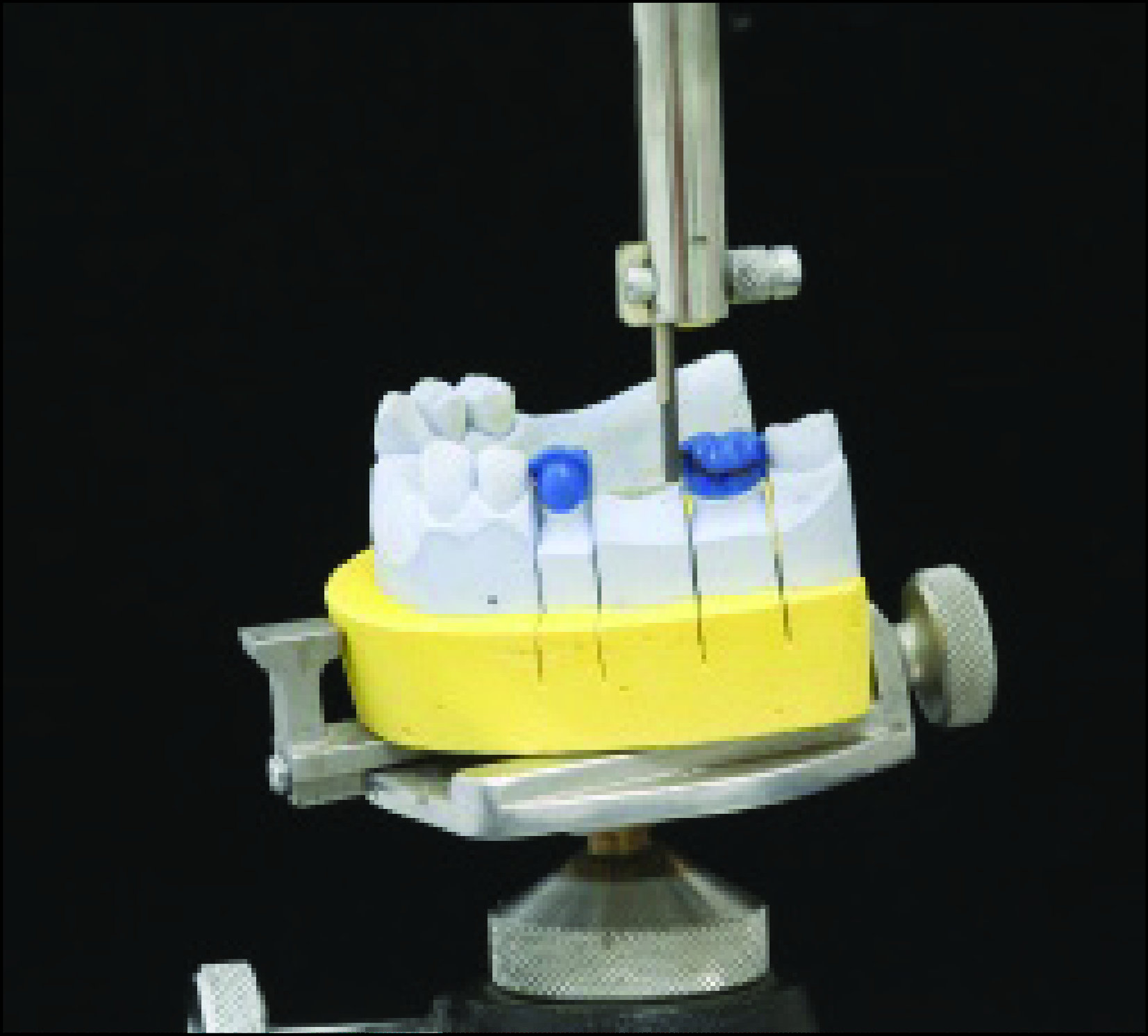
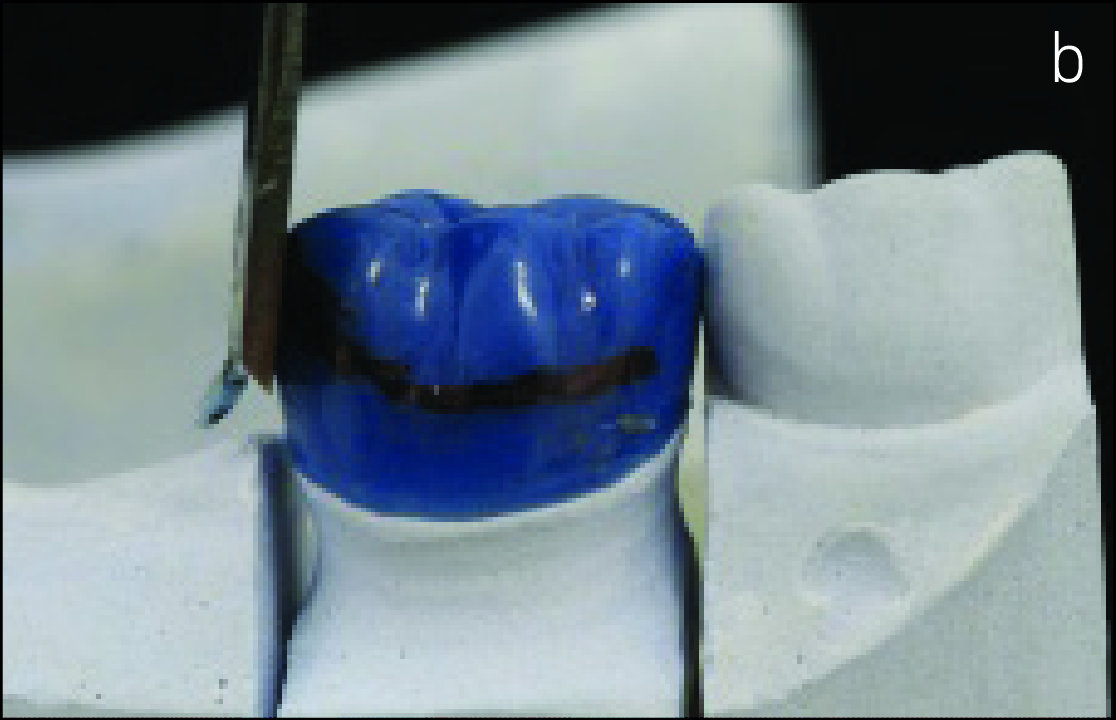
The model with the completed wax-up of the crown restoration is positioned on the surveyor in accordance with the path of insertion (Figure 10-52). A carbon marker is used to determine the height of contour and to draw the survey line (Figure 10-53).
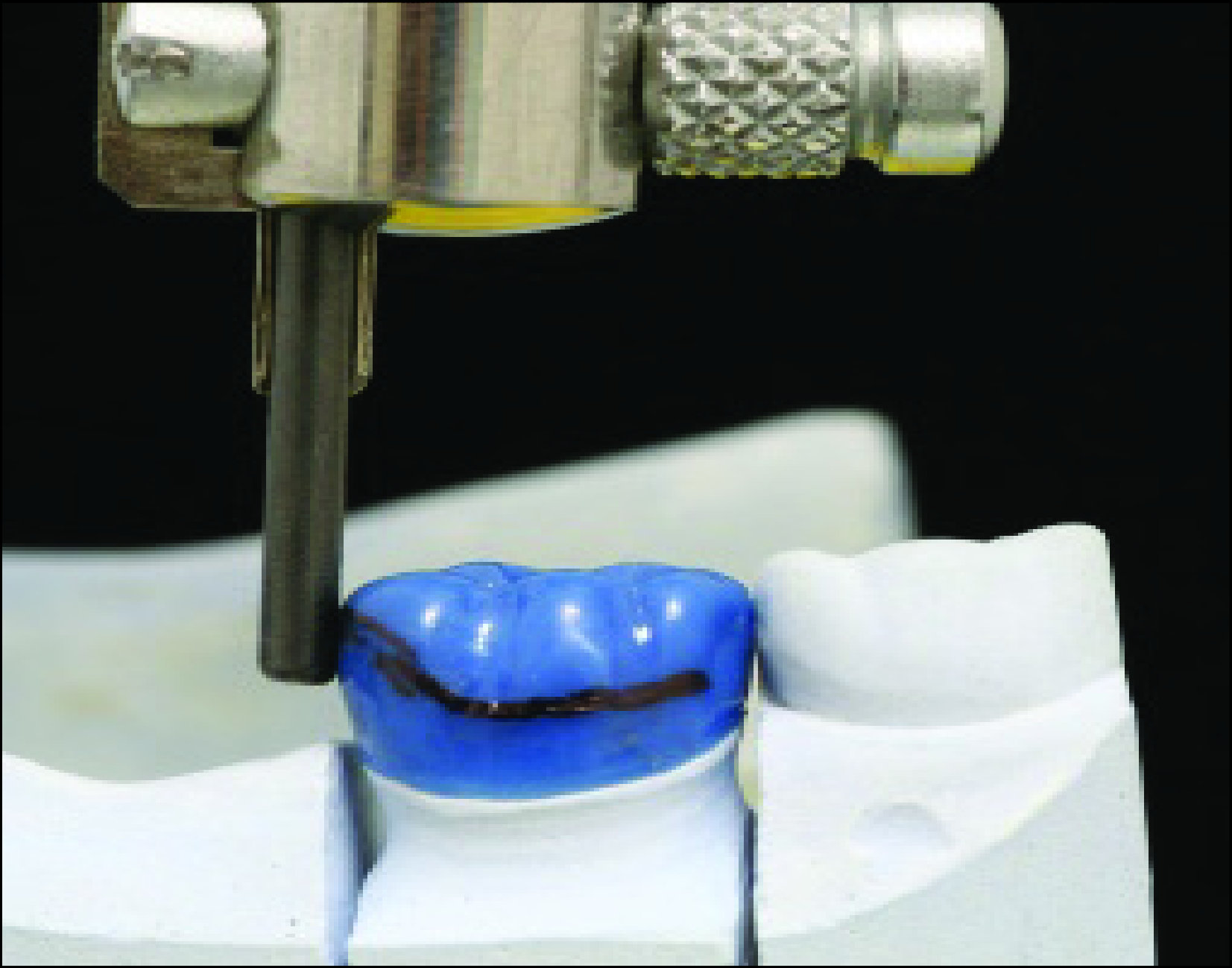
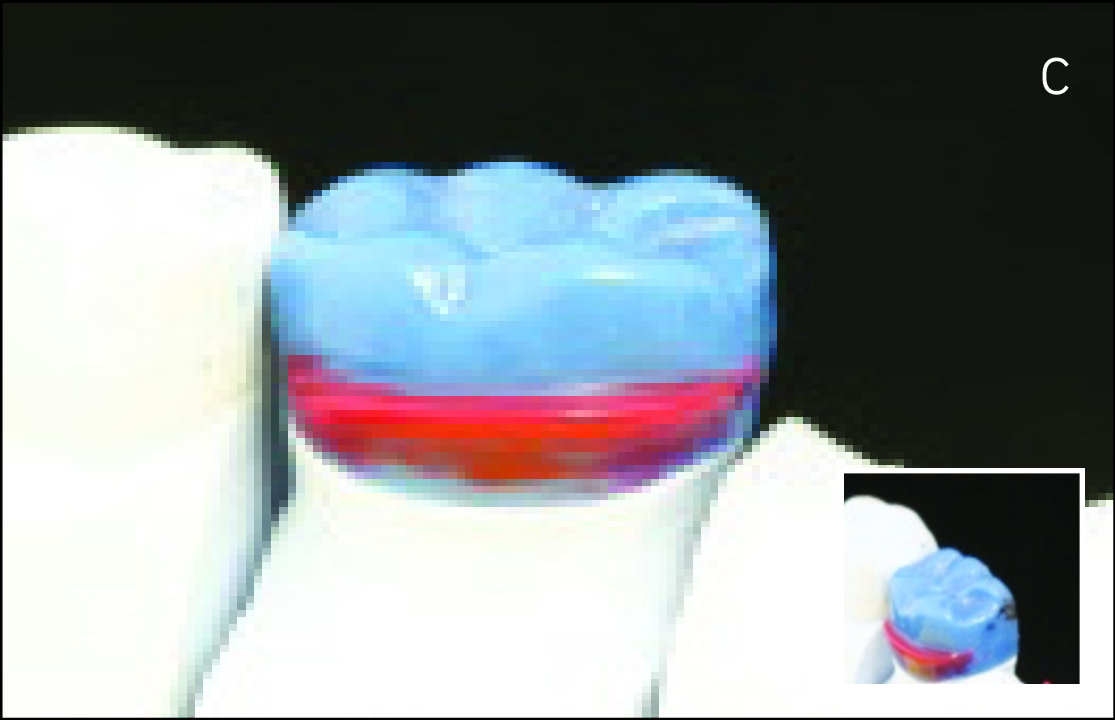
Following the evaluation of the contours on the crown restoration, the wax pattern is reshaped with a wax spatula if necessary. Using an undercut gauge appropriate for the planned clasp, an adequate amount of undercut is created on the buccal surface of the wax pattern, in the proper location (mesiobuccal or distobuccal) (Figure 10-54).
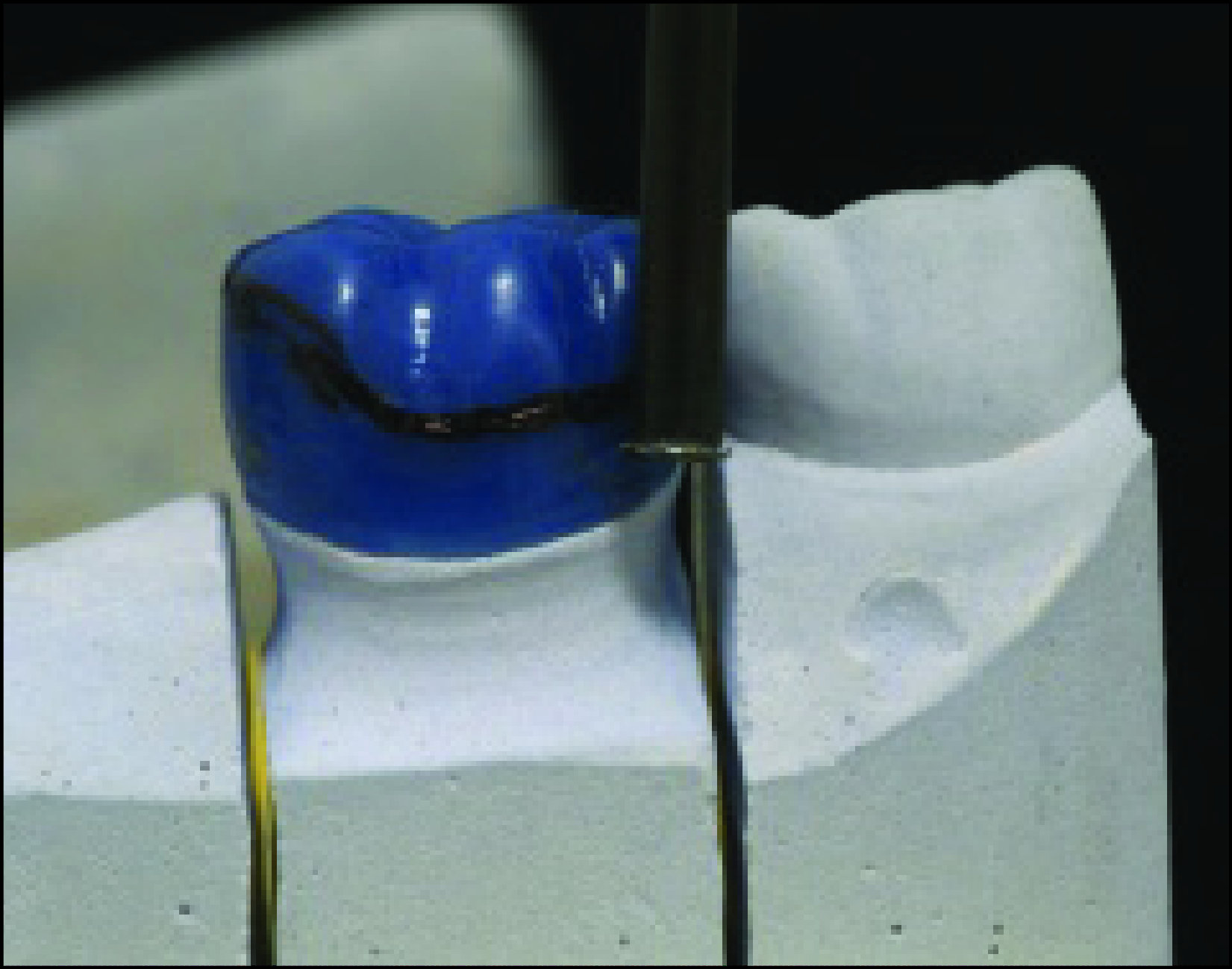
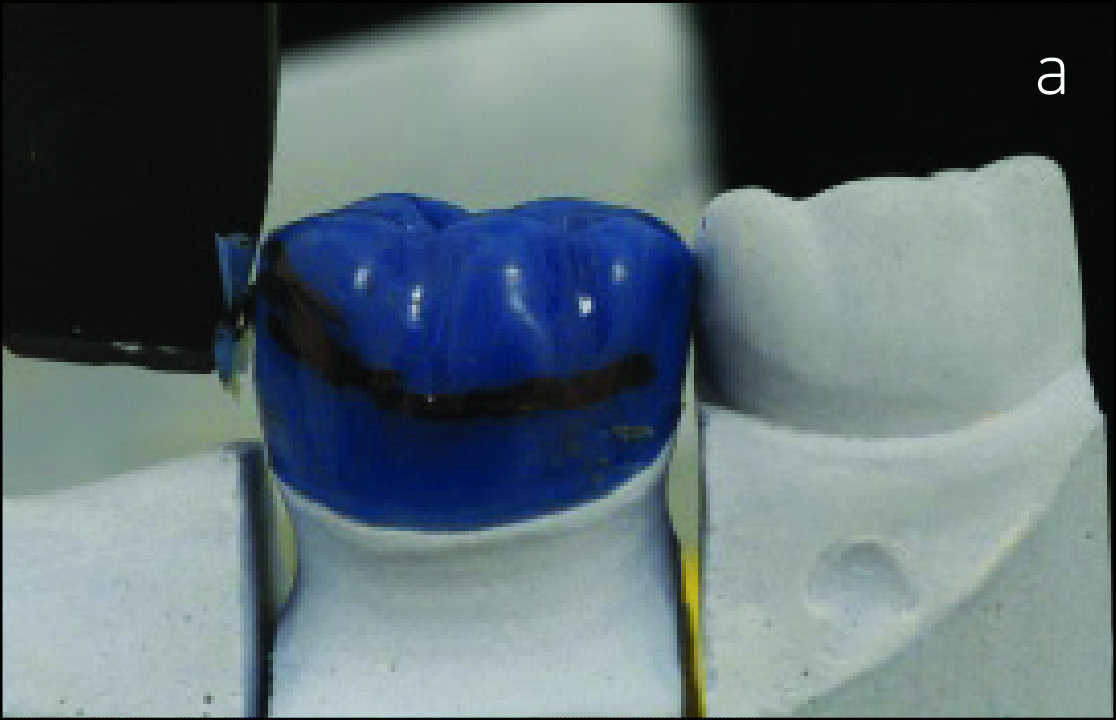
Guide planes are also prepared on the wax pattern. A surveyor blade is used for this procedure (Figure 10-55).
 |
 |
 |
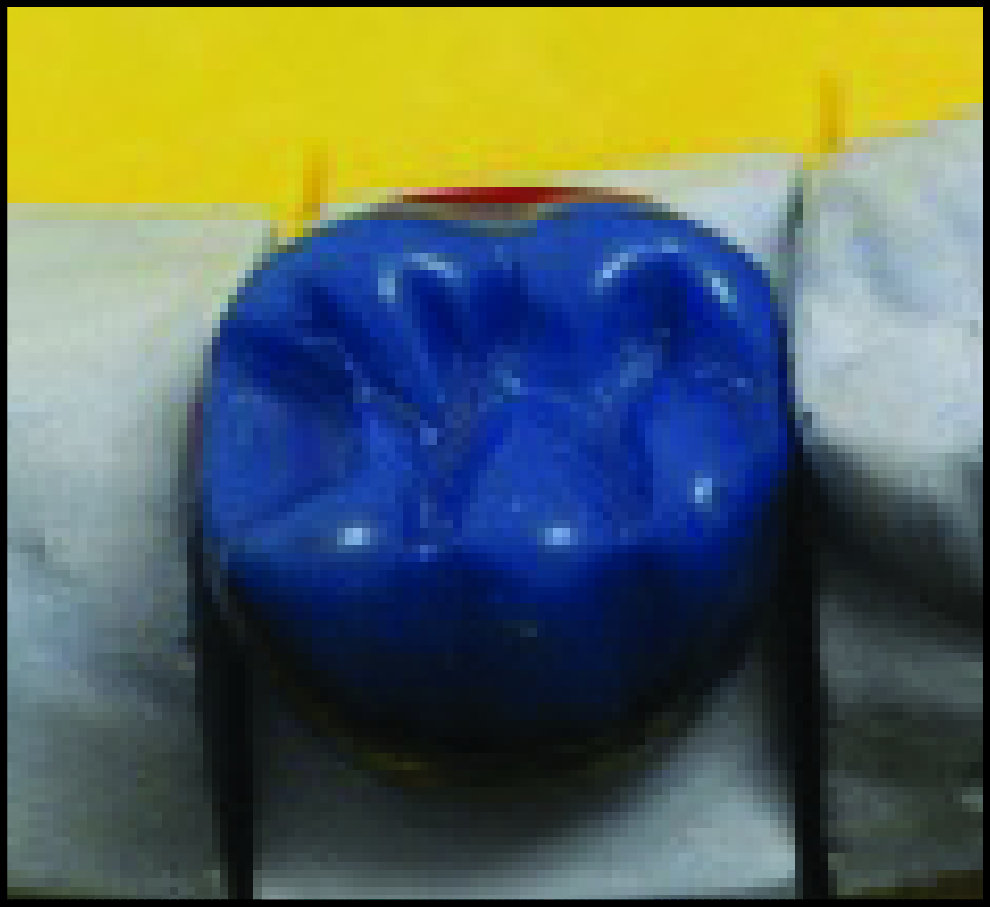
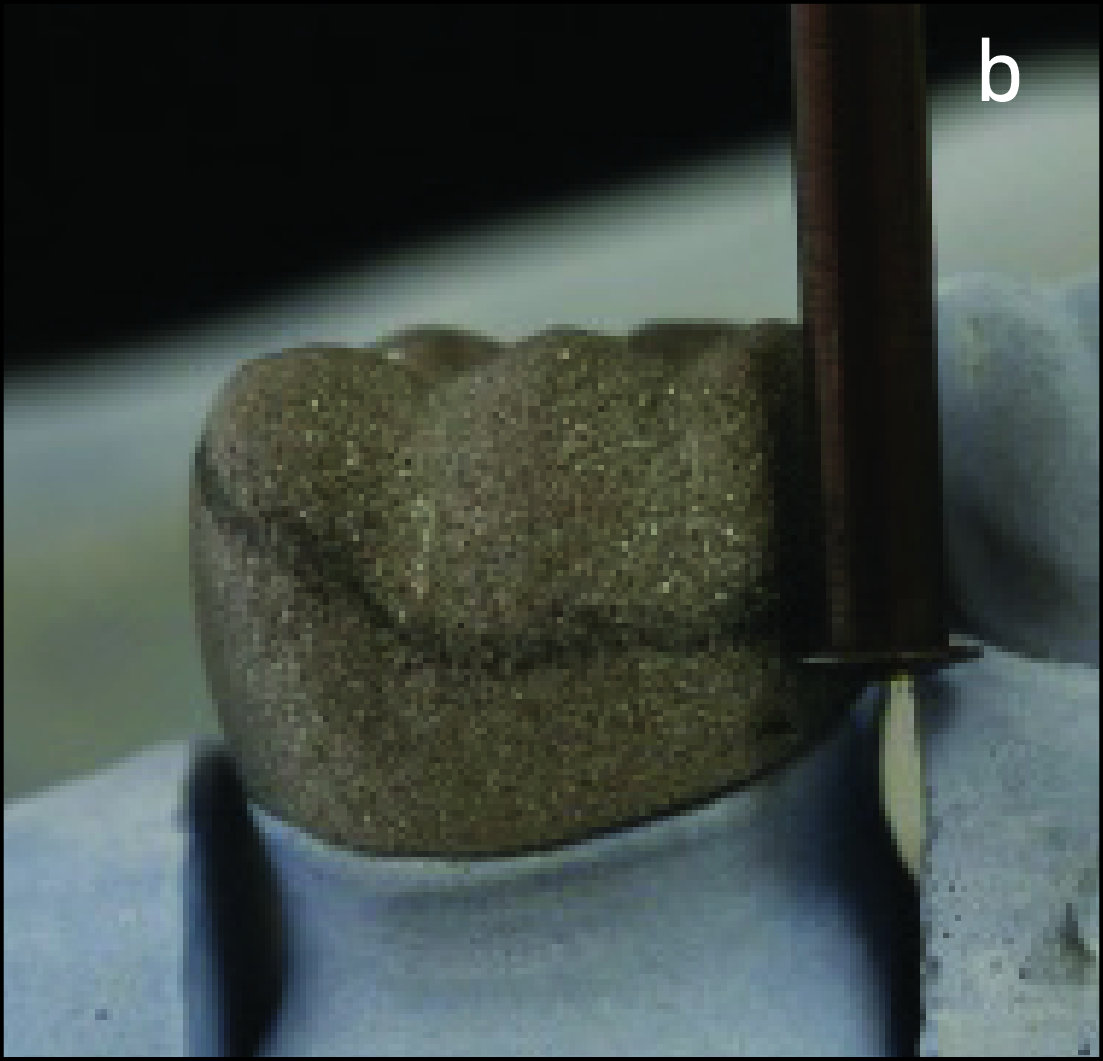
The surfaces of the guiding planes must be prepared parallel to the insertion path and to each other. After shaping the axial surfaces, the clasp seat is formed using a roundbur number 4 or 6. The bur is either heated and carefully pressed onto the wax pattern or used at a very low speed with a micromotor. Afterwards, the final shape is refined using a round-ended hand instrument (Figure 10-56).
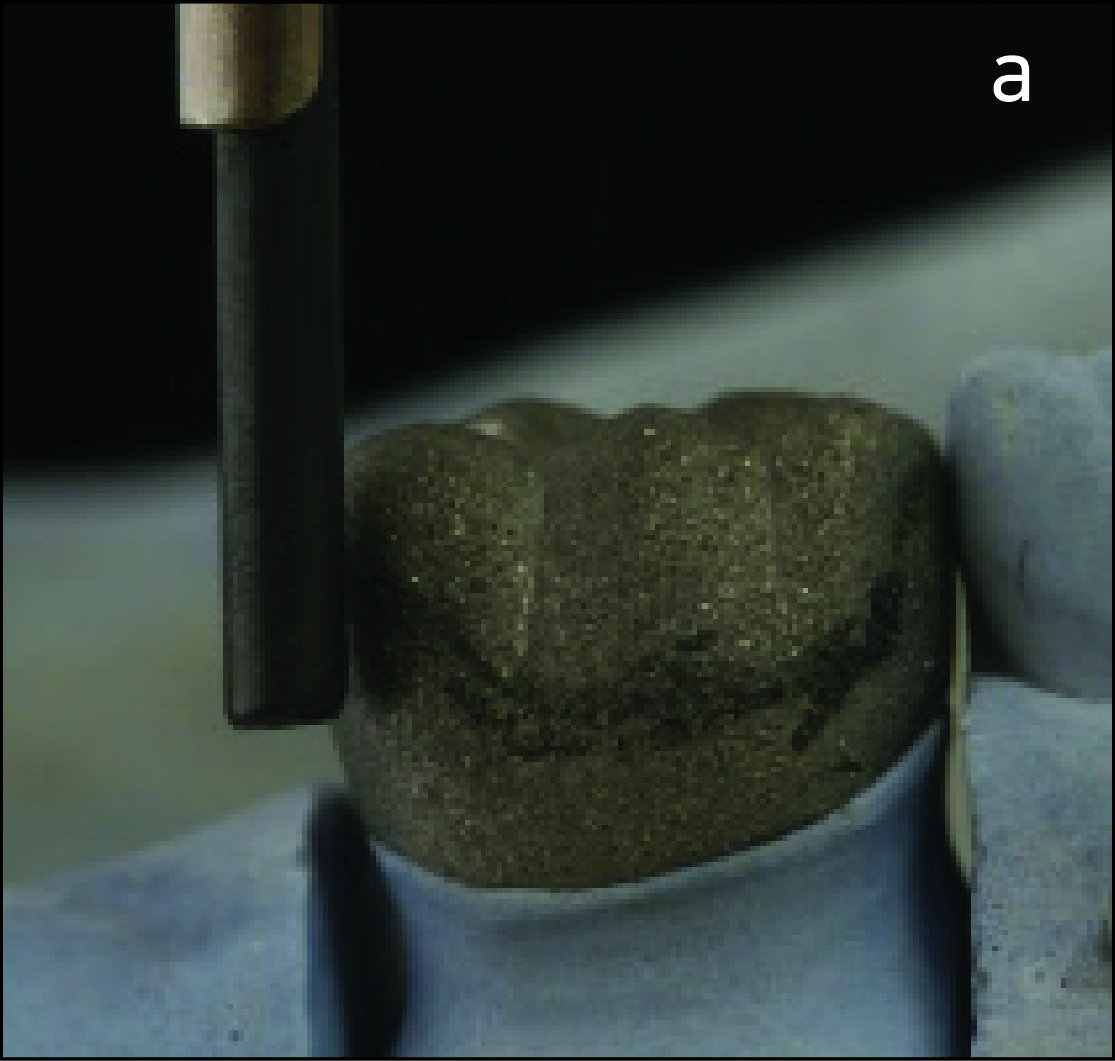
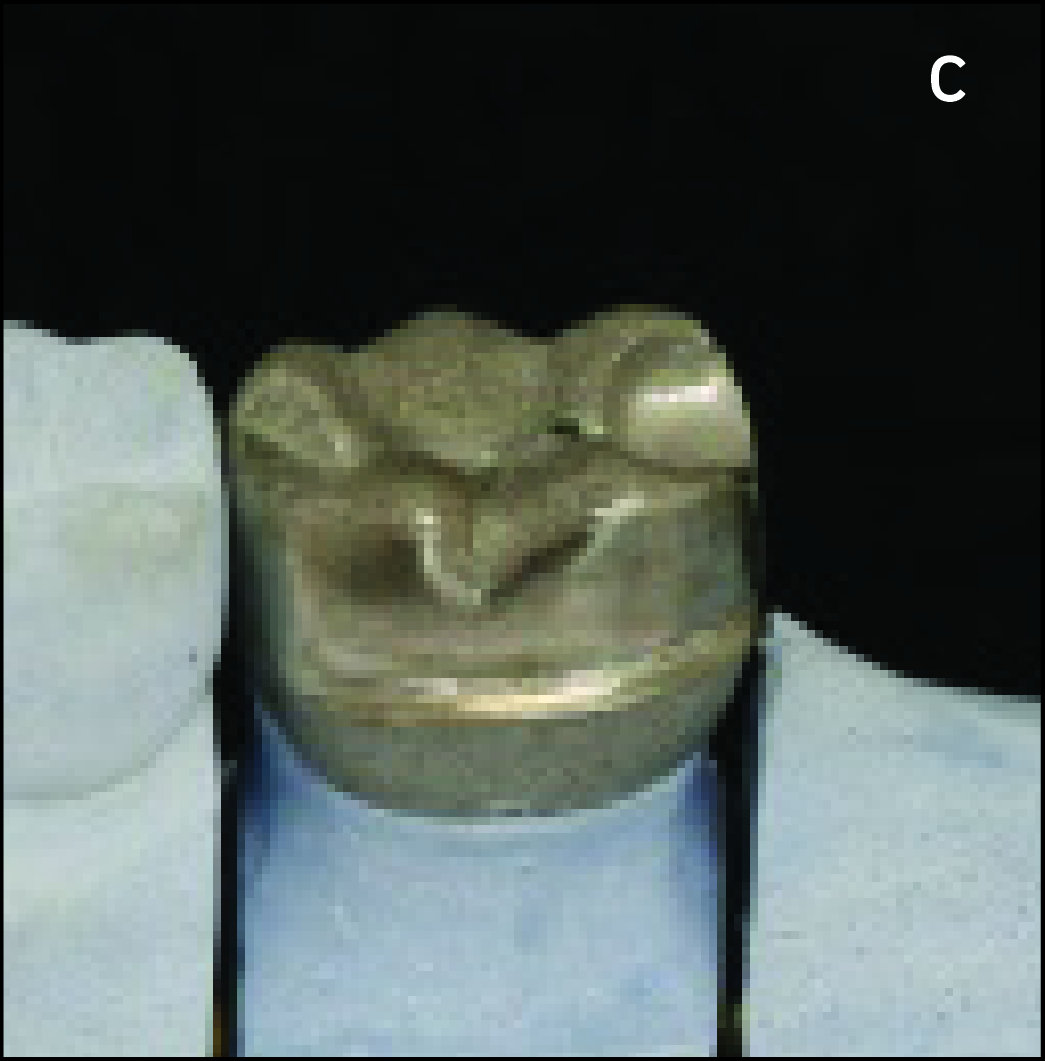
The wax patterns are sent for casting using the conventional method and are then evaluated again on the dental surveyor (Figure 10-57). When necessary, adjustments are made using rotary instrument burs adapted to the dental surveyor.
 |
 |
 |
Preparations on porcelain fused to metal crown restoration
When a porcelain fused to metal crown restoration is planned for a tooth that will serve as an abutment for an RPD, the preparation should be planned accordingly, ensuring that forces are directed to the metal-porcelain junction areas or the metal surface rather than directly on the porcelain. Full ceramic restorations are not recommended for teeth intended to support RPDs.
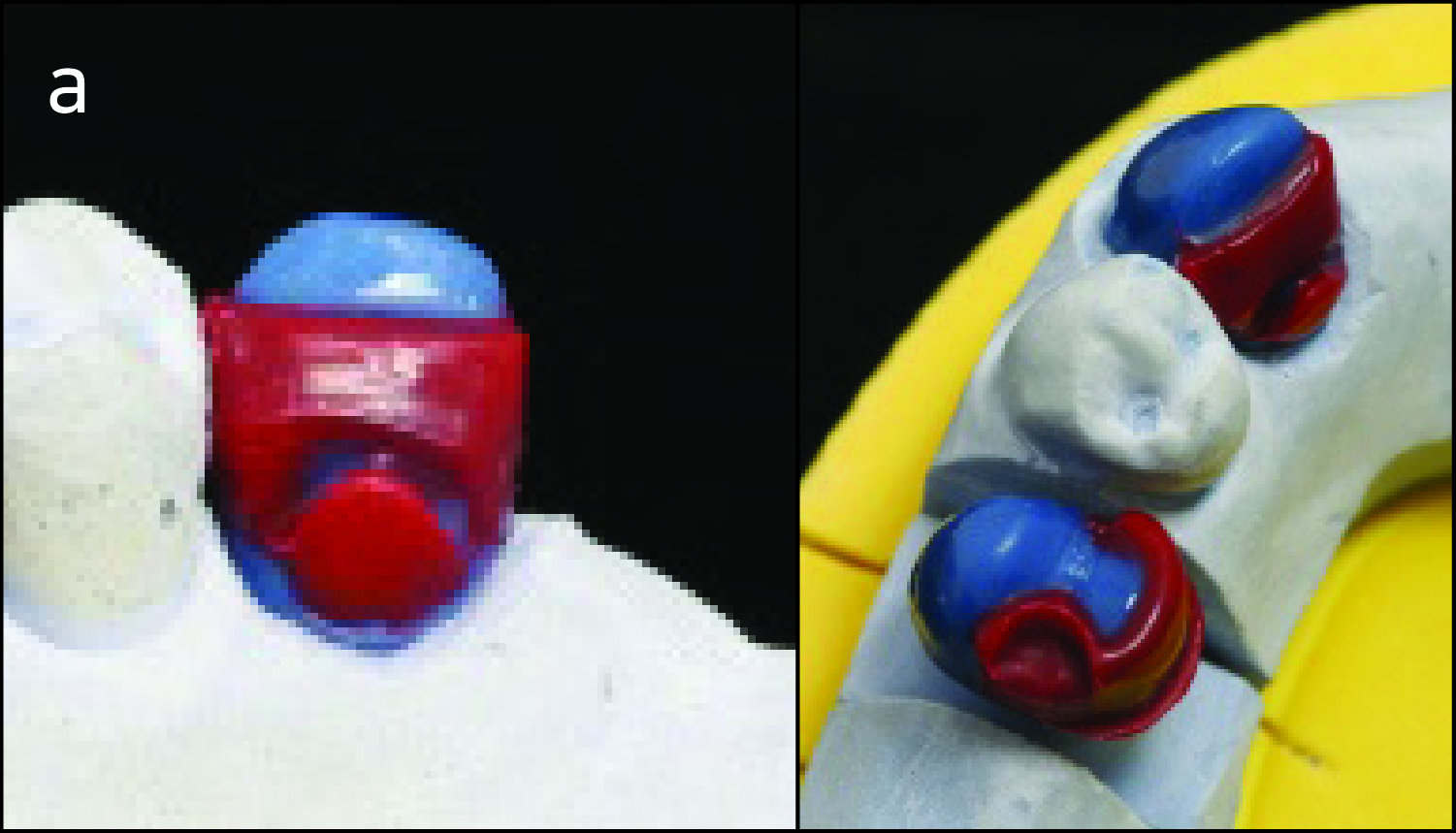
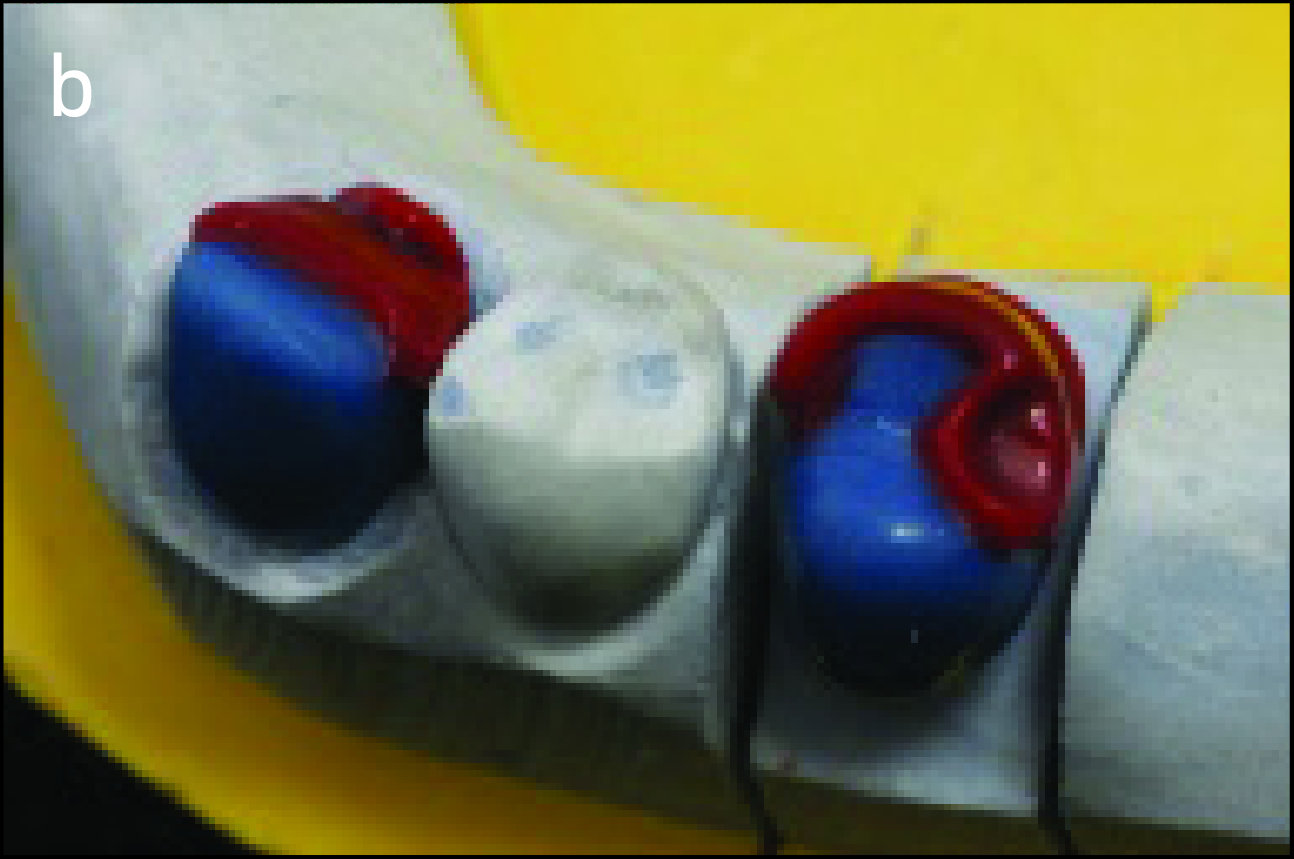
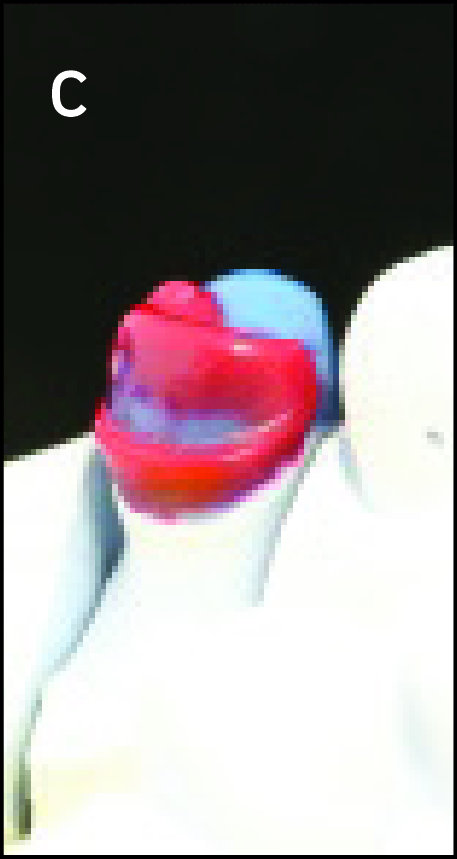
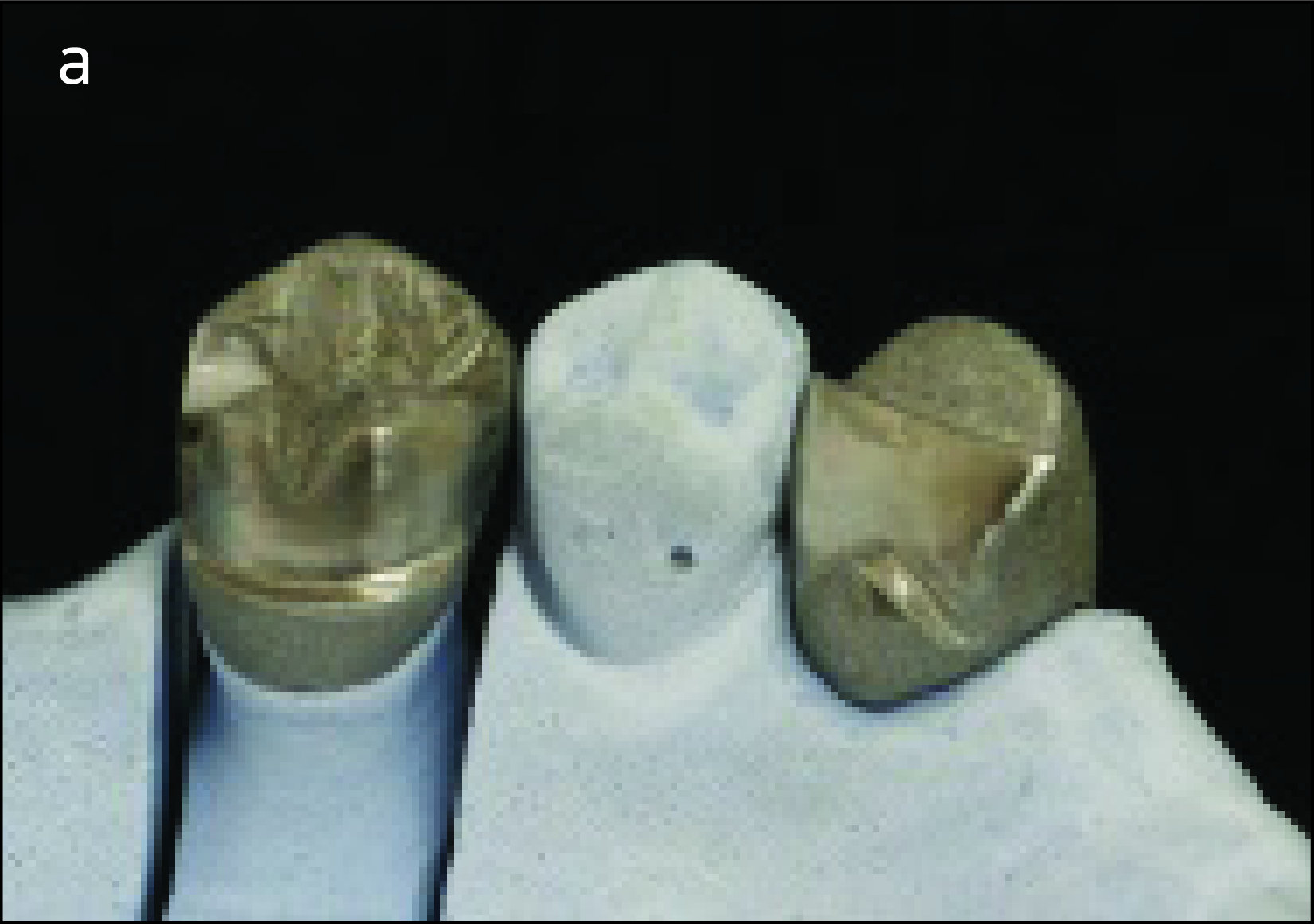
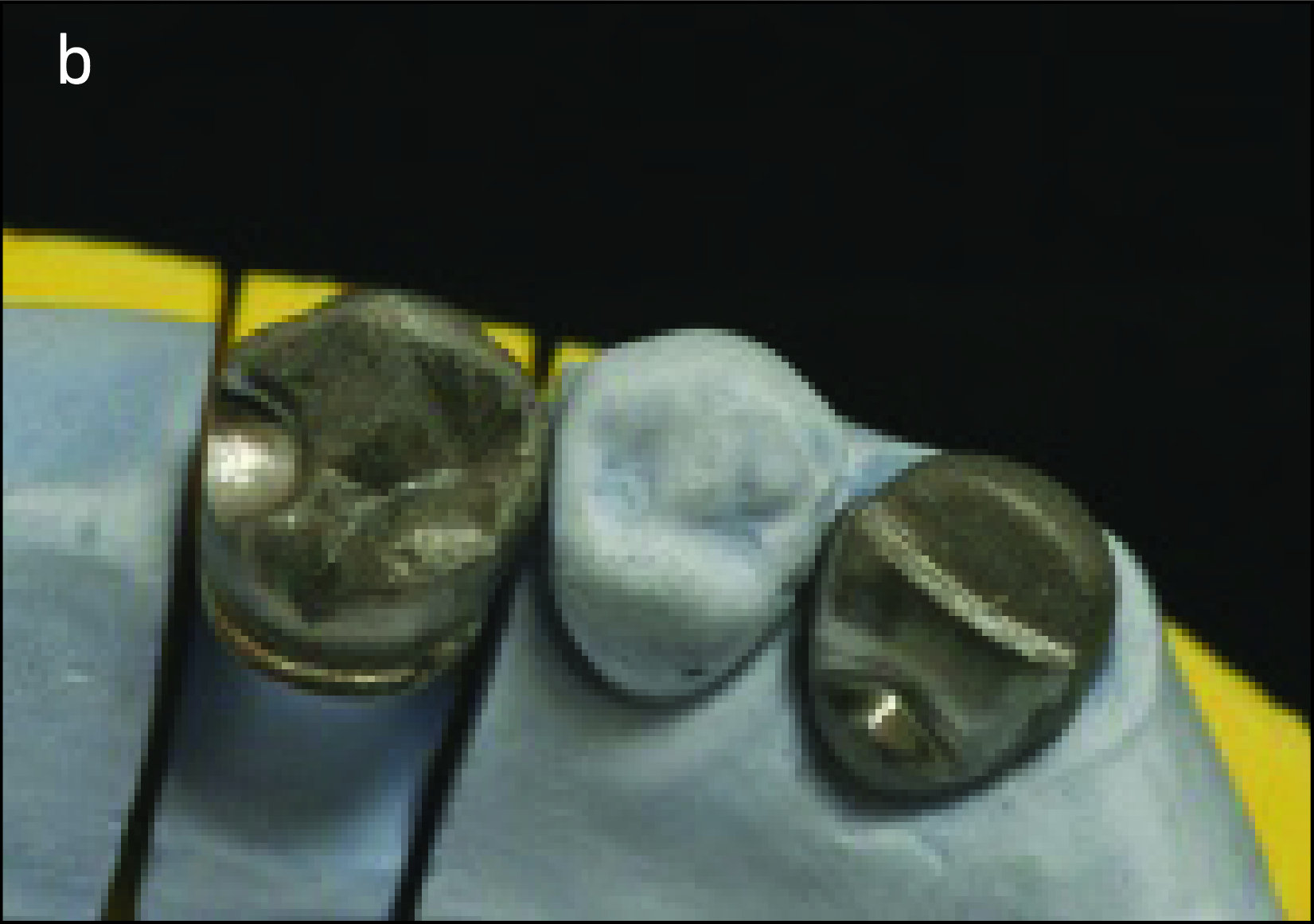
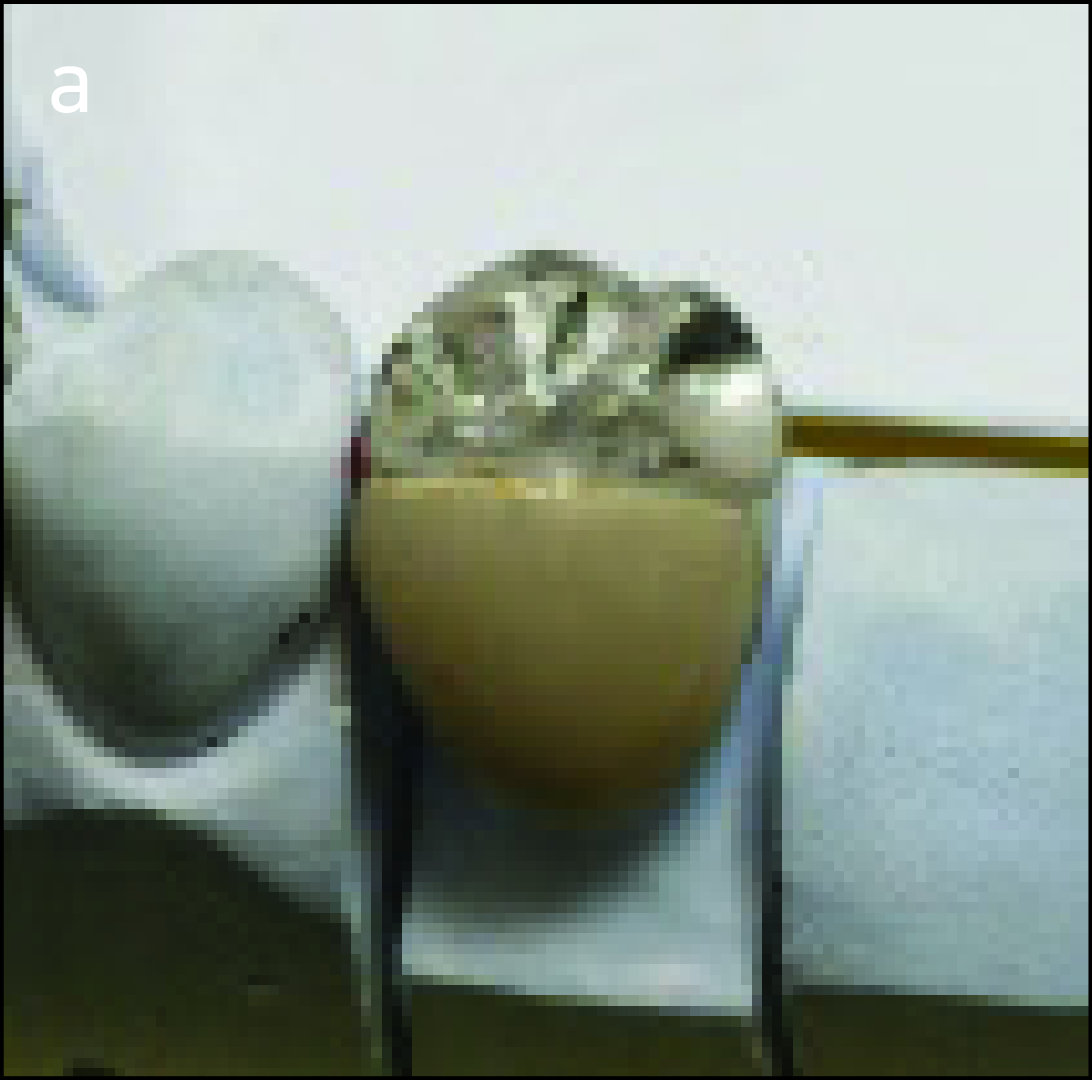
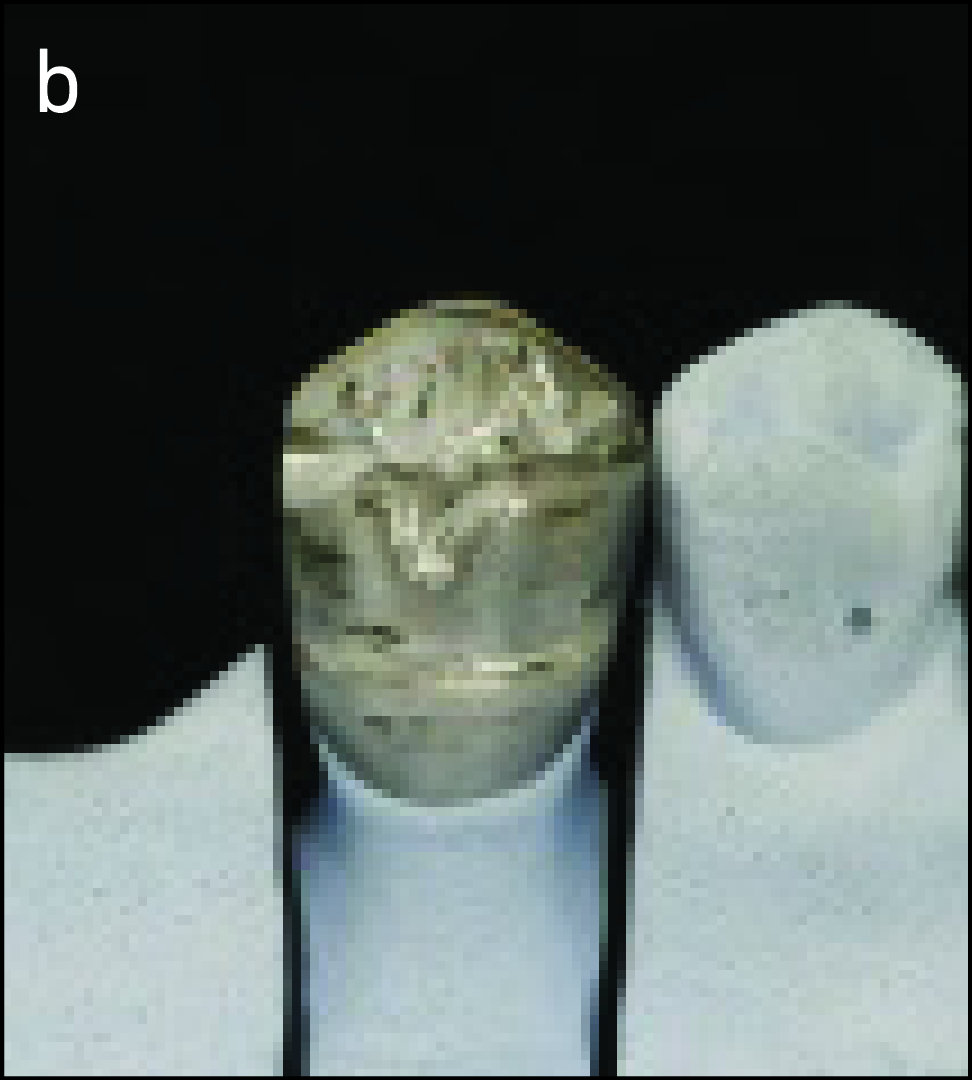
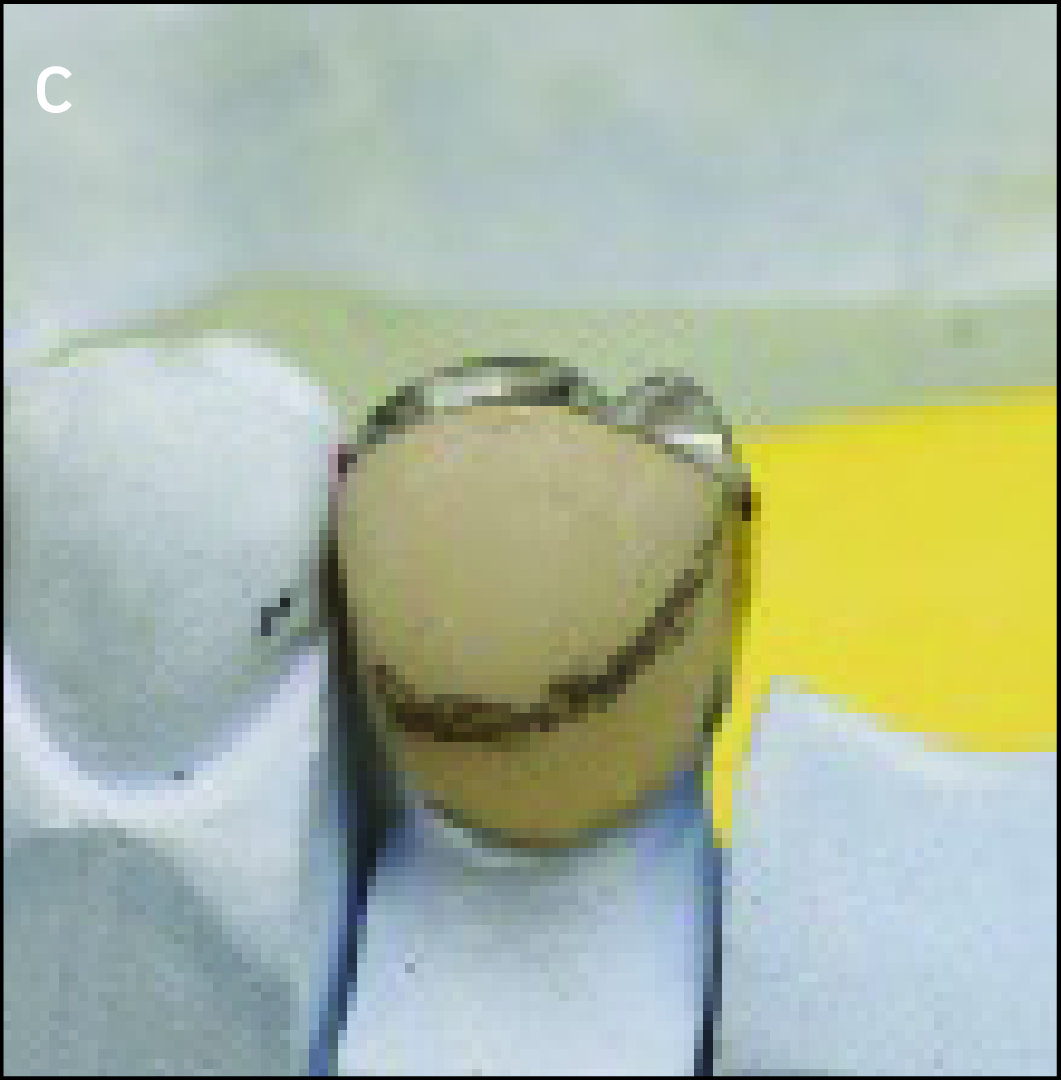
The rest seats (Figure 10-58a) and guide planes (Figures 10-58b and 10-58c) on porcelain fused to metal crowns are prepared on the metal surface; these areas should be prepared on the wax model and re-evaluated after casting (Figure 10-59). Preparations of crowns made as “veneers” are similarly performed to ones for porcelain fused to metal crowns (Figure 10-62).
 |
 |
 |
 |
 |
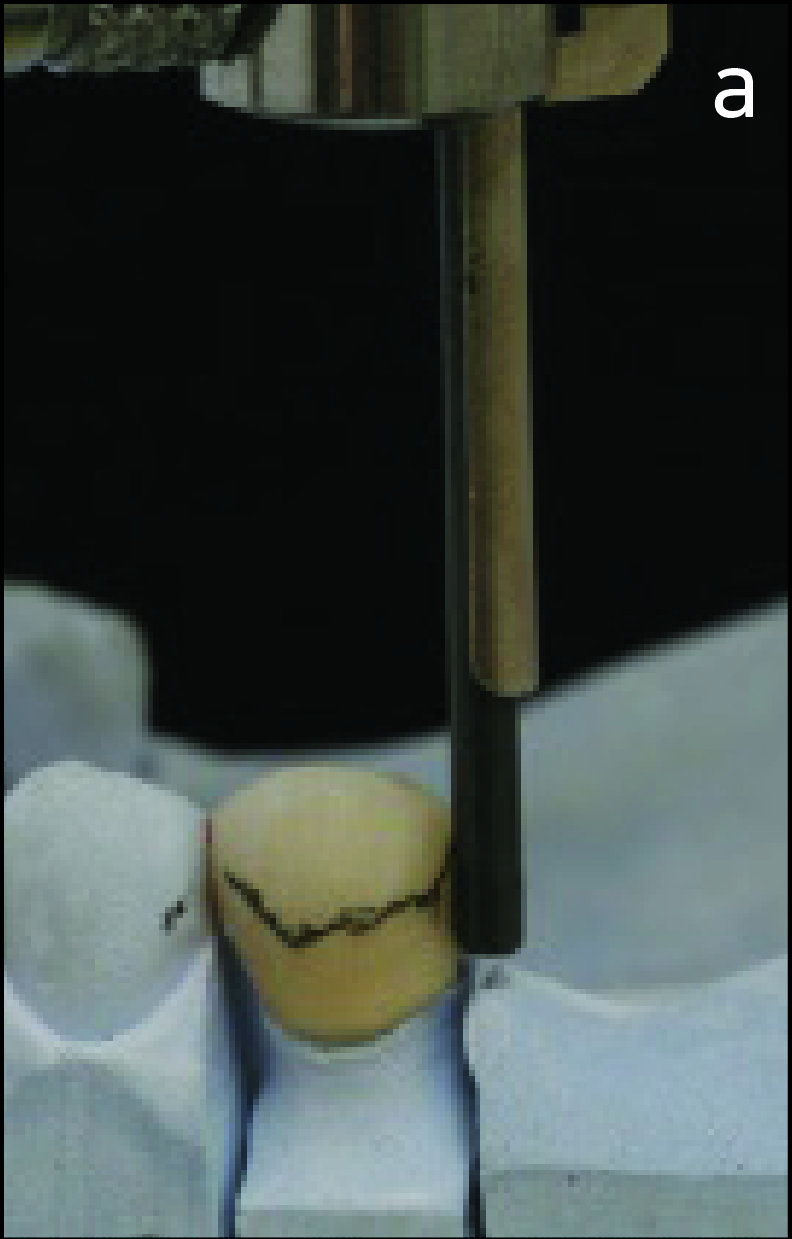
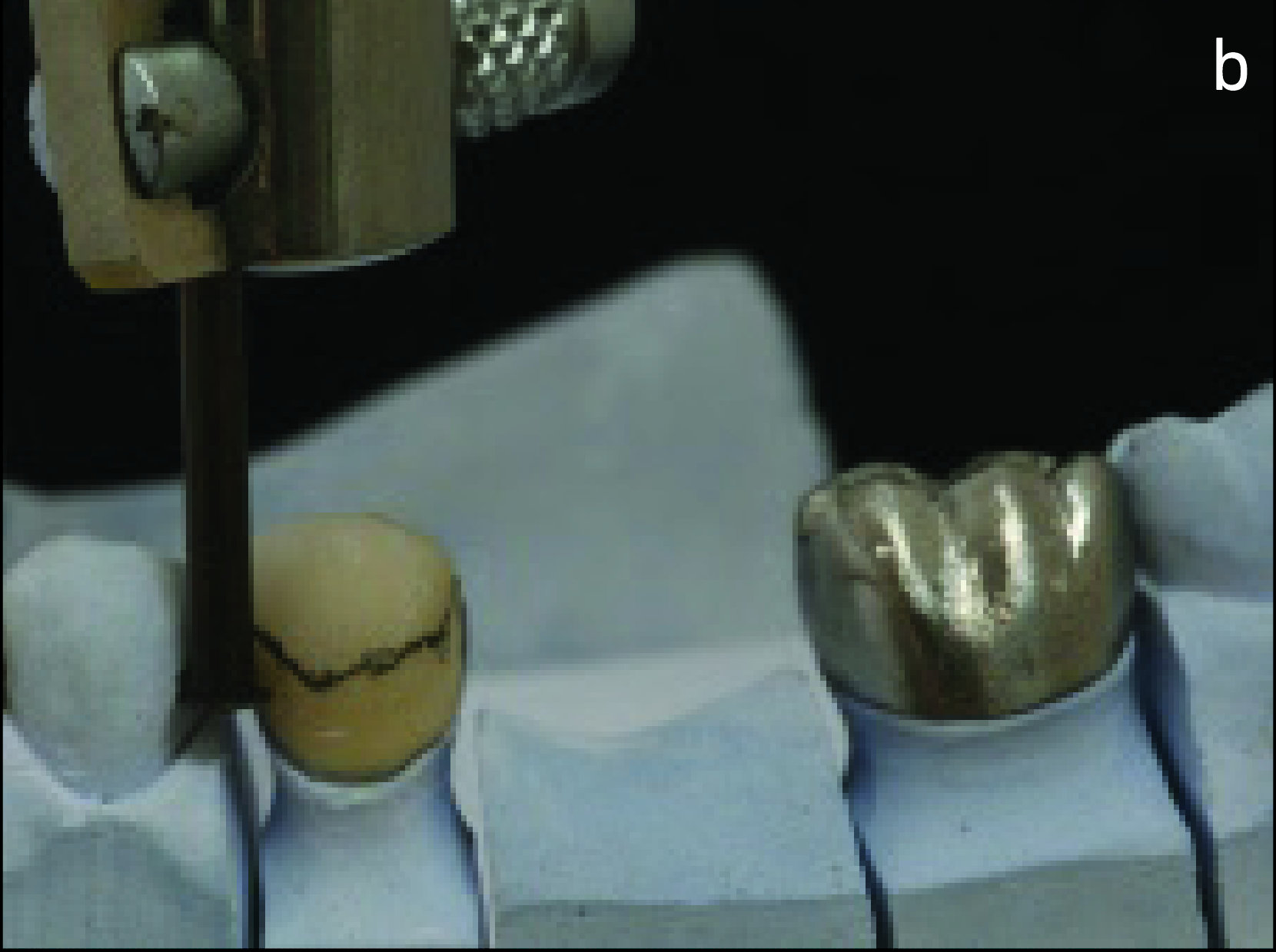
After the porcelain modeling stage and firing, the model is repositioned on the dental surveyor to ensure that the crown has the appropriate contour height (Figure 10-60a) and an adequate rest seat (Figure 10-60b).
 |
 |
 |
 |
 |