
Conditioning of abused and irritated tissues
Ill-fitting dentures or prostheses having inadequate occlusal contact, nutritional deficiency, hormone imbalances, systemic illnesses, or bruxism might cause the following issues:
- Inflammation and irritation in the tissues supporting the denture (Figures 10-11),
- Distortion of normal anatomical structures such as incisive papillae, rugae, and retromolar ridges
- A burning sensation in residual ridge areas, the tongue, and the cheeks and lips.
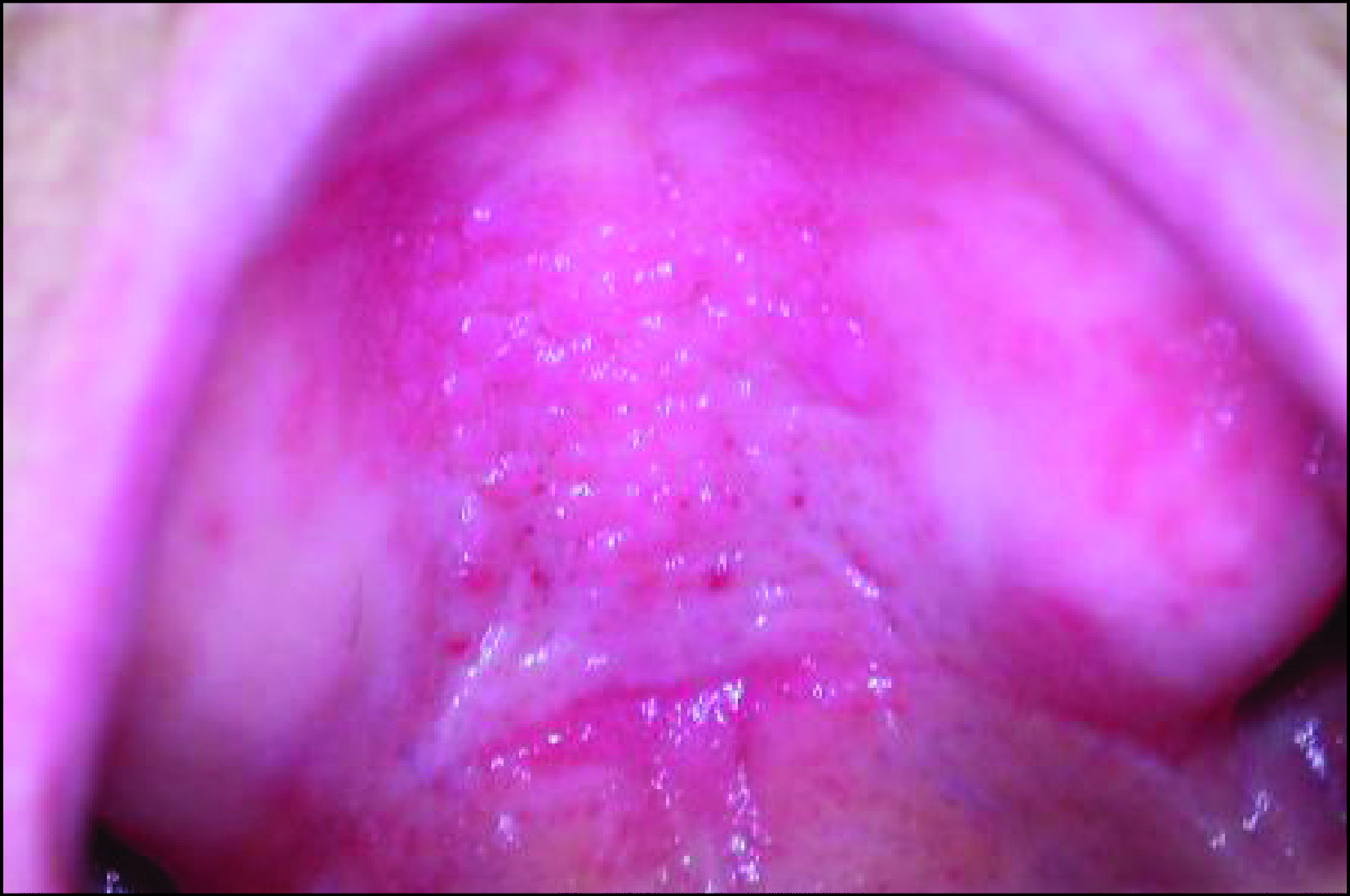
The fabrication of a new prosthesis is delayed until the oral tissues can be returned to a healthy state; when it is thought that the cause is a systemic disorder, the patient is told that the complaints will recur in the new prosthesis when the prosthesis is made without treating the disease.
Establishing a quality home care program right away should be the first step in the treatment process. Home care recommendations include using a prescribed saline solution to rinse the mouth three times a day, using a soft toothbrush to massage the palate, tongue, and remaining ridge areas, taking off the prosthesis at night, and following a prescribed high-protein, low-carb diet and therapeutic multiple vitamin regimen.
Tissue healing materials are also used to heal damaged tissues; they remain soft enough to allow the tissues to heal and take their normal and healty shape, and they massage the mucosa, allowing a balanced distribution of occlusal forces.
When using tissue healing materials, it is necessary to reduce the occlusal conflict of old prostheses; extending denture bases to proper form to enhance support, retention, and stability; relax the tissue surface of the prosthesis to provide an even distance to the material; apply enough material to provide support and cushioning; and replace the material in 4-7 day cycles until the tissues are completely healthy. Usually three or four exchanges and a recovery period of 3-4 weeks is sufficient.