
Establishing jaw relations for RPDs based on Kennedy classifications
In removable partial dentures, the classification of partial edentulism becomes significant during the establishment of the occlusal relationship. To achieve a harmonious occlusal relationship and to enhance the stability of the prosthesis, the following occlusal adjustments are recommended:
Simultaneous bilateral contacts of opposing posterior teeth should be established in centric occlusion (Figure 9-7).
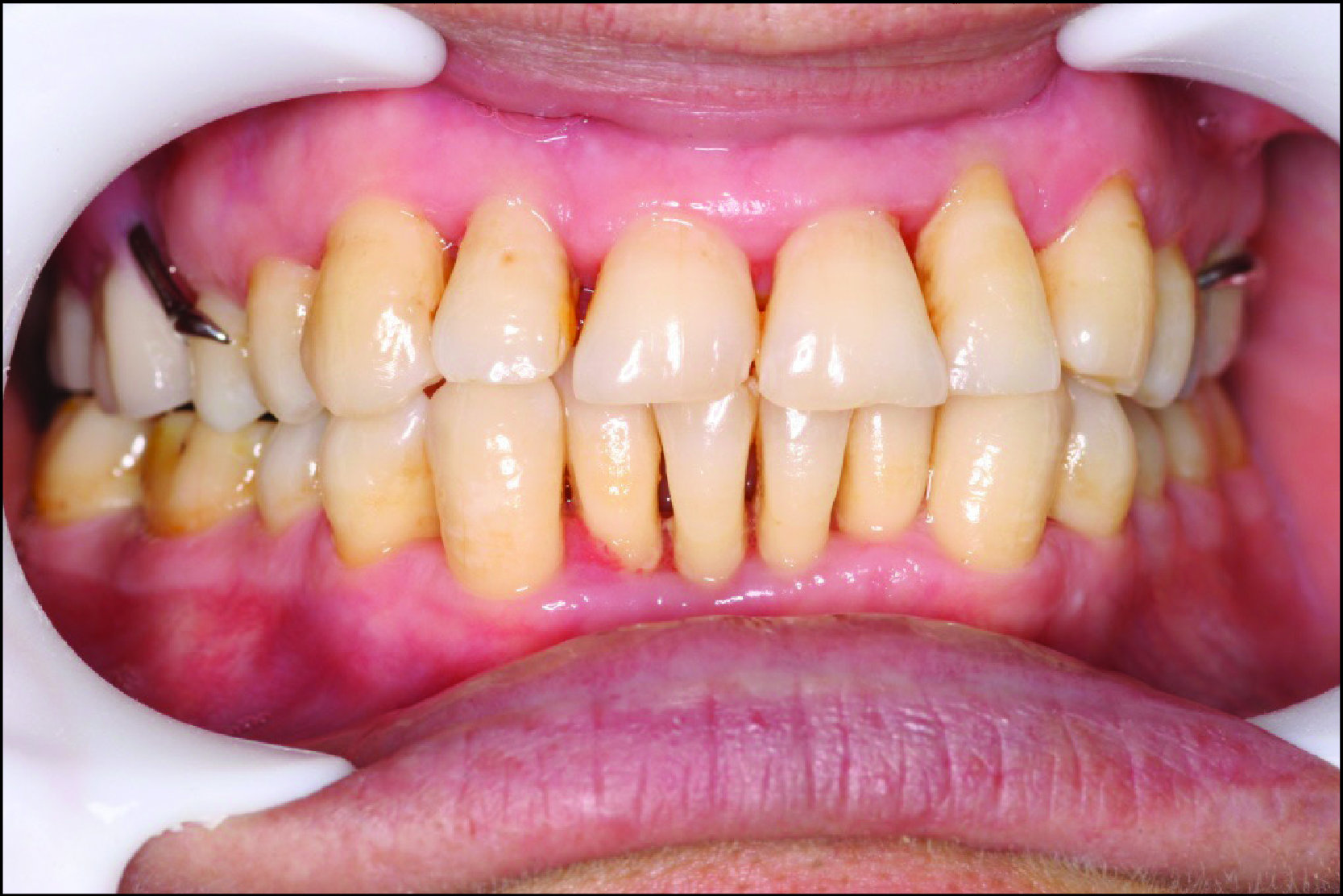
In tooth-supported prostheses, the occlusion can resemble that of individuals with a harmonious natural dentition. In such cases, the patient’s existing occlusion is analyzed, and the prosthetic contacts are arranged in accordance with this occlusal relationship. The stability of the prosthesis is ensured by direct retainers positioned at both ends of the denture base (Figure 9-8).
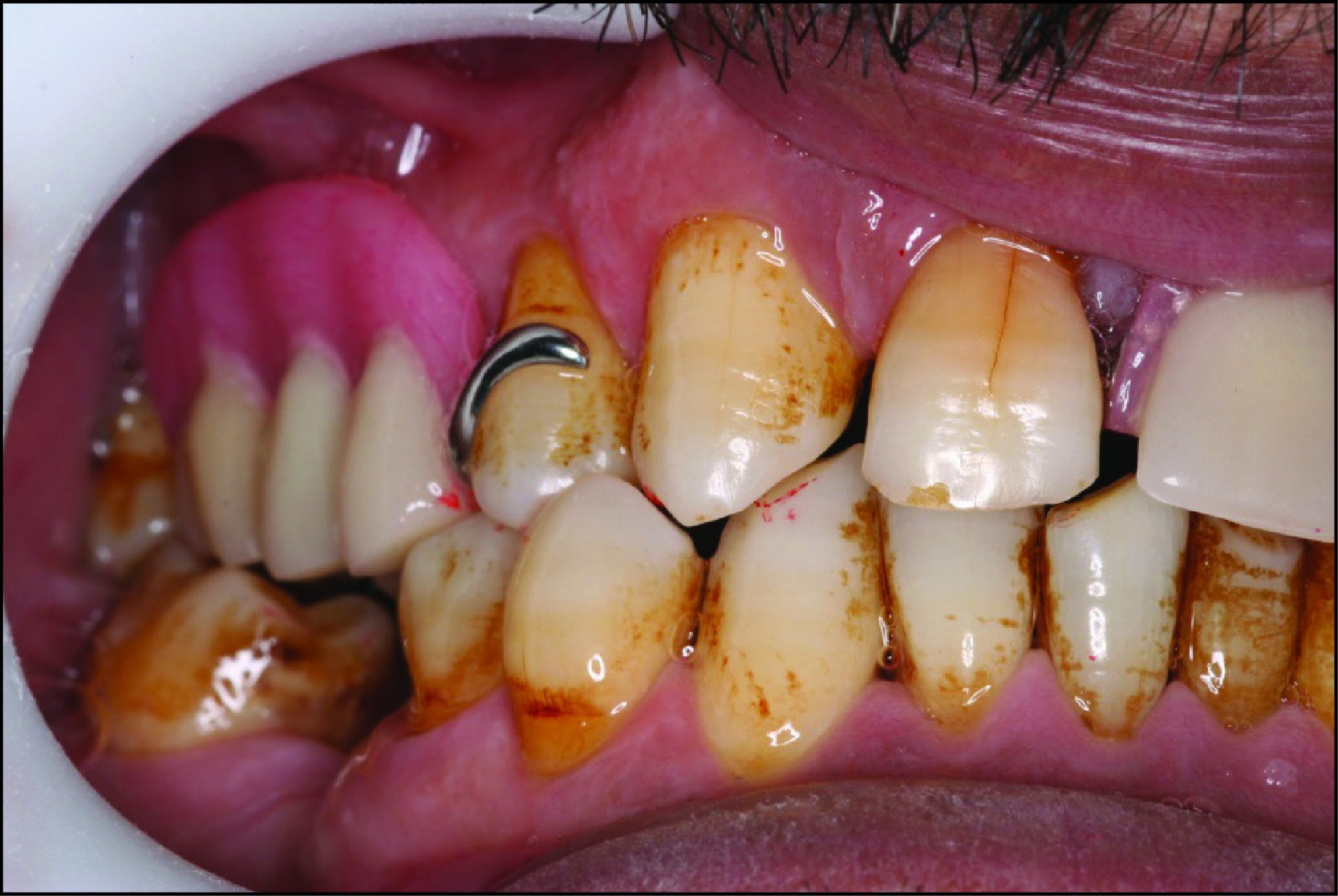
When a maxillary complete denture opposes a removable partial denture, bilateral balanced occlusion is established in eccentric positions. The primary objective is to improve the stability of the complete denture. However, contacts occurring during protrusive movements may sometimes negatively affect esthetics, speech, and the proper orientation of the occlusal plane.
In mandibular bilateral distal extension RPDs, unilateral balanced occlusion is achieved by establishing contacts on the working side. These contacts are arranged to resemble the working side contacts seen in natural dentition and these
contacts should occur simultaneously with working side contacts of the natural teeth aiming to distribute occlusal forces over a broader area and enhance the masticatory function of the prosthesis (Figure 9-9).
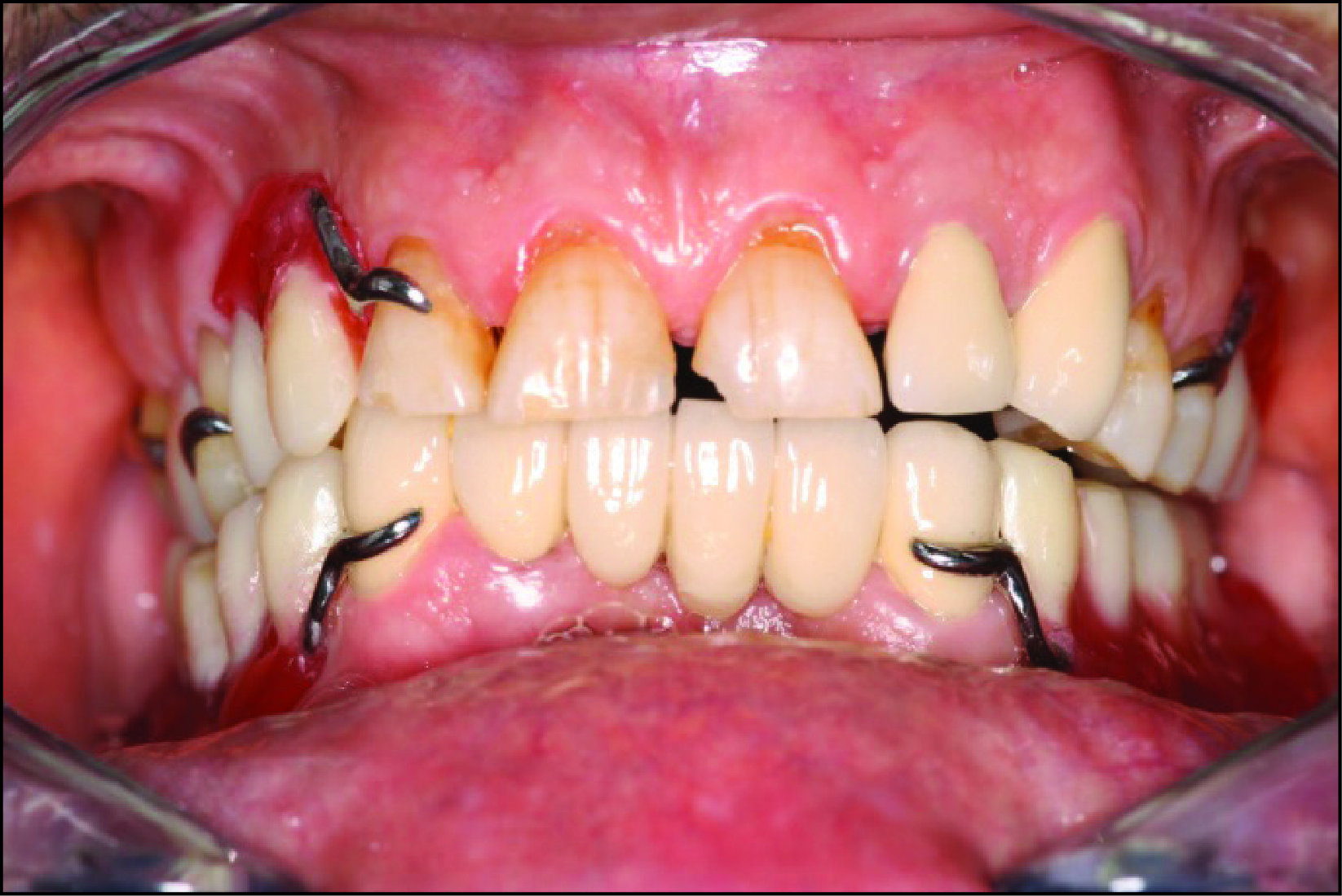
The direction of resorption in the maxilla differs from that in the mandible. In the maxilla, resorption occurs from posterior to anterior and from lateral to medial, whereas in the mandible, it proceeds in the opposite direction. As a result, following resorption, the maxilla becomes volumetrically smaller compared to the mandible. Therefore, in the maxilla, artificial teeth may need to be positioned laterally to the residual alveolar crest.
In maxillary bilateral distal extension RPDs, bilateral balanced occlusion is achieved by establishing both working and balancing side contacts whenever possible, thereby enhancing prosthesis stabilization. However, when the patient exhibits an excessively steep overbite and an almost zero overjet relationship in the anterior region, these principles may be disregarded. Even in such cases, working side contacts can still be arranged without resorting to excessively steep cusp inclinations (Figure 9-10).
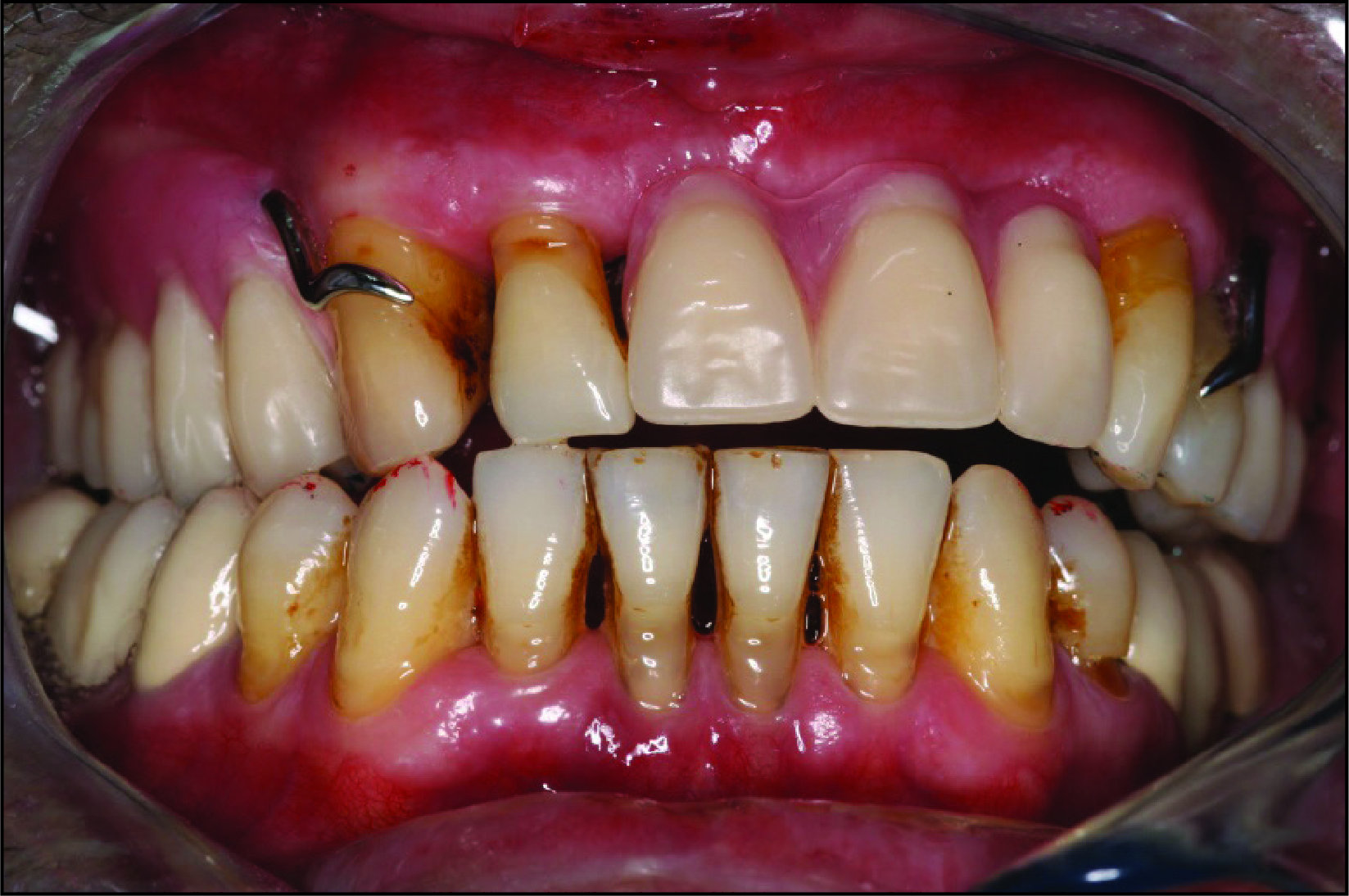
In maxillary or mandibular unilateral distal extension RPDs, working side contact alone is sufficient. Since the metal framework on the balancing side is tooth-supported, contacts on that side do not contribute to prosthesis stability; therefore, unilateral balanced occlusion is appropriate.
In Kennedy Class IV prostheses, if natural teeth are present in the opposing arch, a passive—i.e., not overly forceful—contact is established with the opposing anterior teeth in centric occlusion to prevent their drifting into the edentulous space (Figure 9-11a).
In eccentric movements, care is taken to avoid contacts with the opposing anterior teeth, as such contacts contribute to resorption of the residual alveolar ridge beneath the denture base and provide little benefit to prosthesis stability (Figure 9-11b).
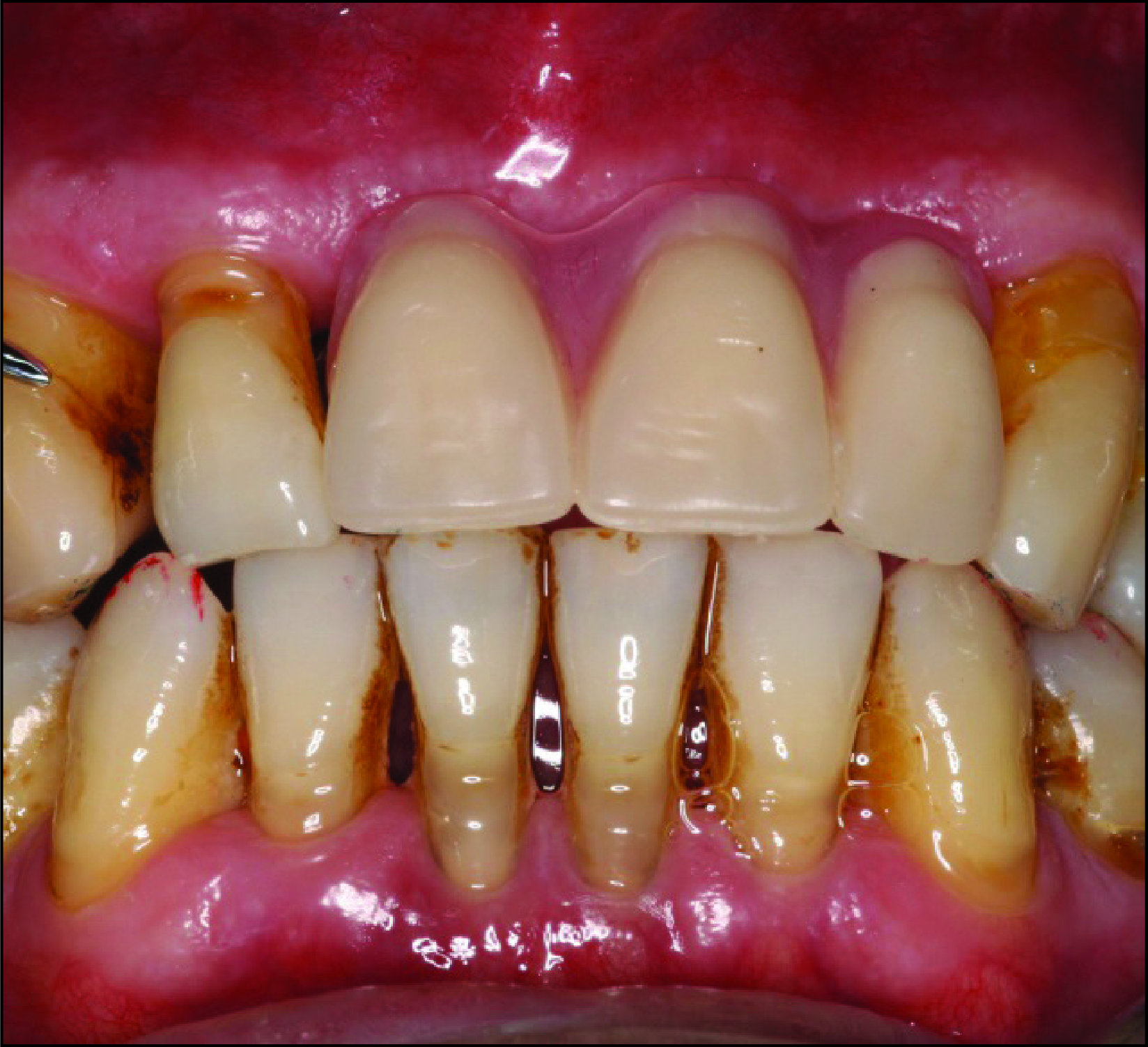
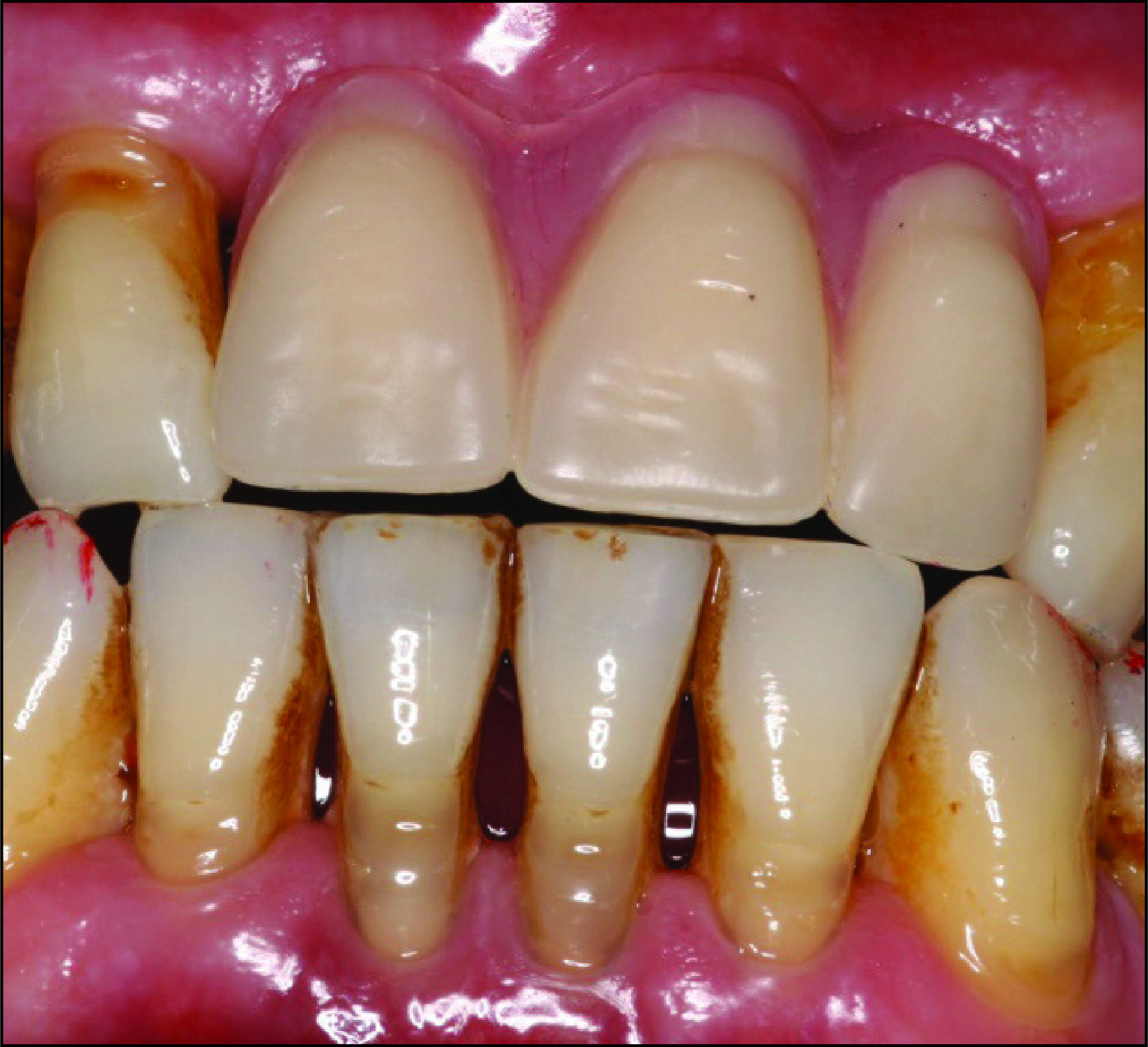
However, when an RPD is required in the mandible and a lingual plate is planned as the major connector, contact with the opposing anterior teeth in centric occlusion is not necessary. This is because the lingual plate contacts the lingual surfaces of the lower anterior teeth, preventing their overeruption. If artificial teeth are present in the anterior region of the opposing arch, care is taken to avoid antagonist contacts both in centric occlusion and during eccentric movements.
Unless a complete denture opposes, contact between antagonist posterior teeth during straight protrusive movement is not desired.
Posterior prosthetic teeth should not extend beyond the beginning of the area where the mandibular residual ridge sharply rises superiorly, nor beyond the distal limit of the retromolar region; otherwise, the prosthesis may displace anteriorly.